Industrialised Construction, Prefabrication and DfMA: Building Smarter for Australia's Housing Future
Australia's housing sector is under increasing pressure to deliver more homes, faster, while simultaneously meeting higher expectations around sustainability, affordability and building performance.
As governments across the country introduce housing reforms, accelerate planning pathways and invest in modern construction methods, the conversation is shifting beyond traditional building approaches. Terms such as prefabrication, modular construction, Design for Manufacture and Assembly (DfMA), and industrialised construction are becoming increasingly common, but they are not the same thing.
Understanding the differences, and where each methodology can create value, is becoming essential for project teams looking to deliver future-ready developments.
Understanding the Different Construction Approaches
Traditional Construction
Traditional construction remains Australia's dominant delivery model, with most building activity occurring on-site through a sequential trade-based process.
While this approach offers flexibility and familiarity, it can also expose projects to labour shortages, weather delays, construction waste, quality inconsistencies and rising costs.
Prefabrication
Prefabrication involves manufacturing building elements off-site before transporting them for installation.
Examples include:
- Wall and floor panels
- Roof systems
- Bathroom pods
- Façade systems
Prefabrication can improve quality control, reduce material waste and shorten construction programs while retaining considerable design flexibility.
Modular Construction
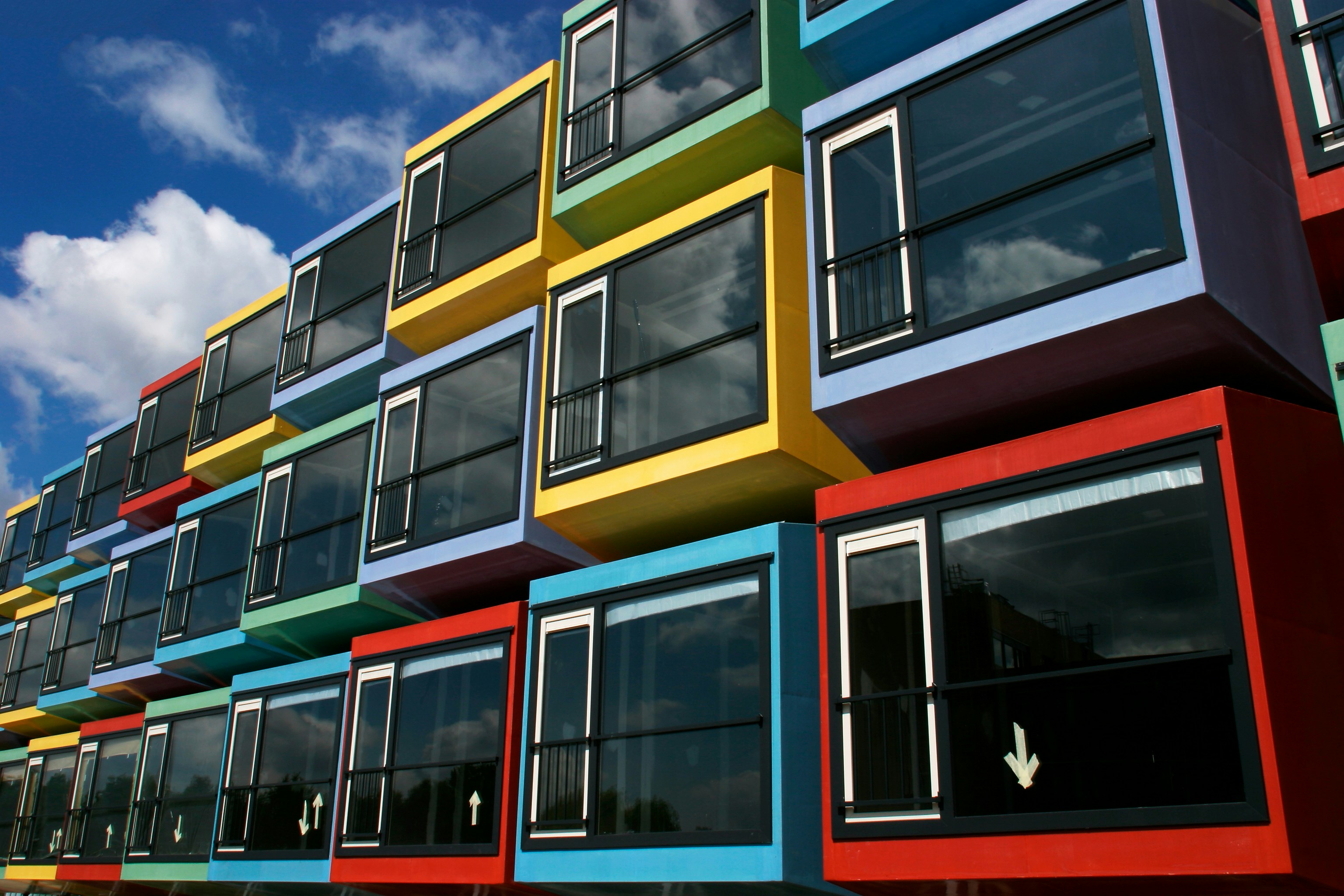
Modular construction is a form of prefabrication where entire building modules are manufactured in a controlled factory environment before being transported and assembled on-site.
This approach is particularly effective for:
- Social and affordable housing
- Student accommodation
- Hotels
- Build-to-rent developments
- Regional and remote housing
Modular construction can significantly reduce construction timeframes while improving consistency and reducing site disruption.
Design for Manufacture and Assembly (DfMA)
DfMA represents a broader design philosophy.
Rather than focusing solely on prefabricated products, DfMA considers how a building can be efficiently manufactured, transported and assembled from the earliest stages of design.
This approach often combines:
- Digital design coordination
- Standardised components
- Repeatable construction details
- Off-site manufacturing techniques
DfMA is increasingly viewed as one of the most effective pathways to improving housing productivity while maintaining design quality and flexibility.
Industrialised Construction
Industrialised construction is the umbrella term encompassing many modern construction methods, including modular construction, prefabrication and DfMA.
The goal is simple: improve productivity, reduce waste, increase quality and create more predictable project outcomes.
This shift is becoming increasingly important as Australia's housing sector seeks to address decades of declining productivity. Recent Productivity Commission research found housing construction productivity has fallen significantly over the past 30 years, despite advancements in technology and materials.
Why Governments Are Supporting Modern Construction Methods
Housing supply has become a national priority.
The Federal Government continues to support housing delivery through initiatives such as the Housing Australia Future Fund, a $10 billion investment vehicle designed to increase social and affordable housing supply. Additional infrastructure funding announced through the 2026 Federal Budget is intended to unlock housing development and improve productivity across the sector.
At the same time, governments are increasingly recognising the role that industrialised construction can play in delivering homes more efficiently.
Federal support includes funding programs specifically targeting prefabricated and modular construction, alongside national productivity initiatives aimed at removing barriers to modern construction methods.
Where Are the Greatest Opportunities Across Australia?
New South Wales
NSW is arguably leading the way.
Recent reforms include:
- Low and Mid-Rise Housing Policy
- NSW Housing Pattern Book
- Building Productivity Reforms
- Modern Methods of Construction (MMC) initiatives
The NSW Government has introduced measures designed to streamline approvals, encourage housing diversity and remove barriers to prefabricated and modular construction. Fast-tracked assessment pathways and pattern-book housing solutions are creating significant opportunities for projects that can combine quality, sustainability and efficient delivery.
Victoria
Victoria continues to prioritise housing supply through planning reforms, activity centre strategies and faster approval pathways.
The state's strong focus on sustainability outcomes, planning-based ESD requirements and urban infill development creates an ideal environment for DfMA and industrialised construction approaches that can demonstrate both environmental performance and housing delivery benefits.
Queensland
Queensland faces ongoing labour and housing supply pressures, particularly in rapidly growing regions.
Industrialised construction offers opportunities to improve delivery certainty while reducing reliance on constrained labour markets.
Western Australia
Western Australia's workforce shortages and regional construction challenges make prefabrication and modular construction particularly attractive.
The ability to manufacture components in controlled environments and transport them to site can significantly improve project efficiency in remote and regional locations.
ACT
The ACT's strong sustainability agenda and emphasis on electrification, emissions reduction and high-performing buildings align closely with industrialised construction methodologies.
Projects that can demonstrate operational efficiency, resilience and long-term performance are well positioned within the territory's policy framework.
South Australia, Tasmania and the Northern Territory
These jurisdictions also present growing opportunities, particularly for regional, remote and affordable housing projects where labour availability, logistics and construction efficiency can significantly influence project viability.
The Sustainability Opportunity
While modern construction methods are often discussed through the lens of speed and productivity, some of the greatest benefits are environmental.
Potential sustainability outcomes include:
Reduced Material Waste
Factory-controlled manufacturing environments typically achieve greater material efficiency and generate less waste than conventional construction processes.
Improved Building Performance
Standardised manufacturing processes can improve construction quality, helping achieve better outcomes for:
- Airtightness
- Thermal performance
- Moisture management
- Indoor environmental quality
Lower Embodied Carbon
Early design optimisation creates opportunities to:
- Reduce material quantities
- Select lower-carbon materials
- Improve structural efficiency
- Support circular economy principles
Easier Electrification
Industrialised systems often allow energy-efficient technologies and all-electric solutions to be integrated more effectively during design and manufacturing.
Improved Long-Term Resilience
Consistent quality control can help reduce defects, improve durability and enhance operational performance throughout a building's lifecycle.
Why ESD Consultants Should Be Involved From Concept Stage
One of the biggest misconceptions surrounding sustainability is that it can be added later.
In reality, many of the most valuable sustainability decisions occur before detailed design even begins.
When ESD consultants are engaged during concept design, they can help project teams:
- Optimise orientation and massing
- Improve passive design outcomes
- Identify opportunities for DfMA integration
- Reduce embodied carbon
- Align planning and building compliance pathways
- Inform electrification strategies
- Improve NatHERS and Whole-of-Home outcomes
- Manage planning policy requirements
- Reduce redesign and approval risks
Importantly, these decisions are often the least expensive to implement and can have the greatest impact on long-term project performance.
The projects achieving the best outcomes today are not treating sustainability, constructability and compliance as separate workstreams. Instead, they are integrating them from day one.
Looking Ahead
The future of housing delivery is unlikely to be defined by a single construction methodology.
Rather, it will be shaped by a combination of industrialised construction principles, digital coordination, sustainable design and smarter planning.
As governments continue to pursue housing supply targets and productivity improvements, projects that embrace these approaches early will be better positioned to deliver faster approvals, stronger sustainability outcomes and greater long-term value.
The question is no longer whether industrialised construction will play a larger role in Australia's built environment.
The question is how early project teams begin designing for it.