
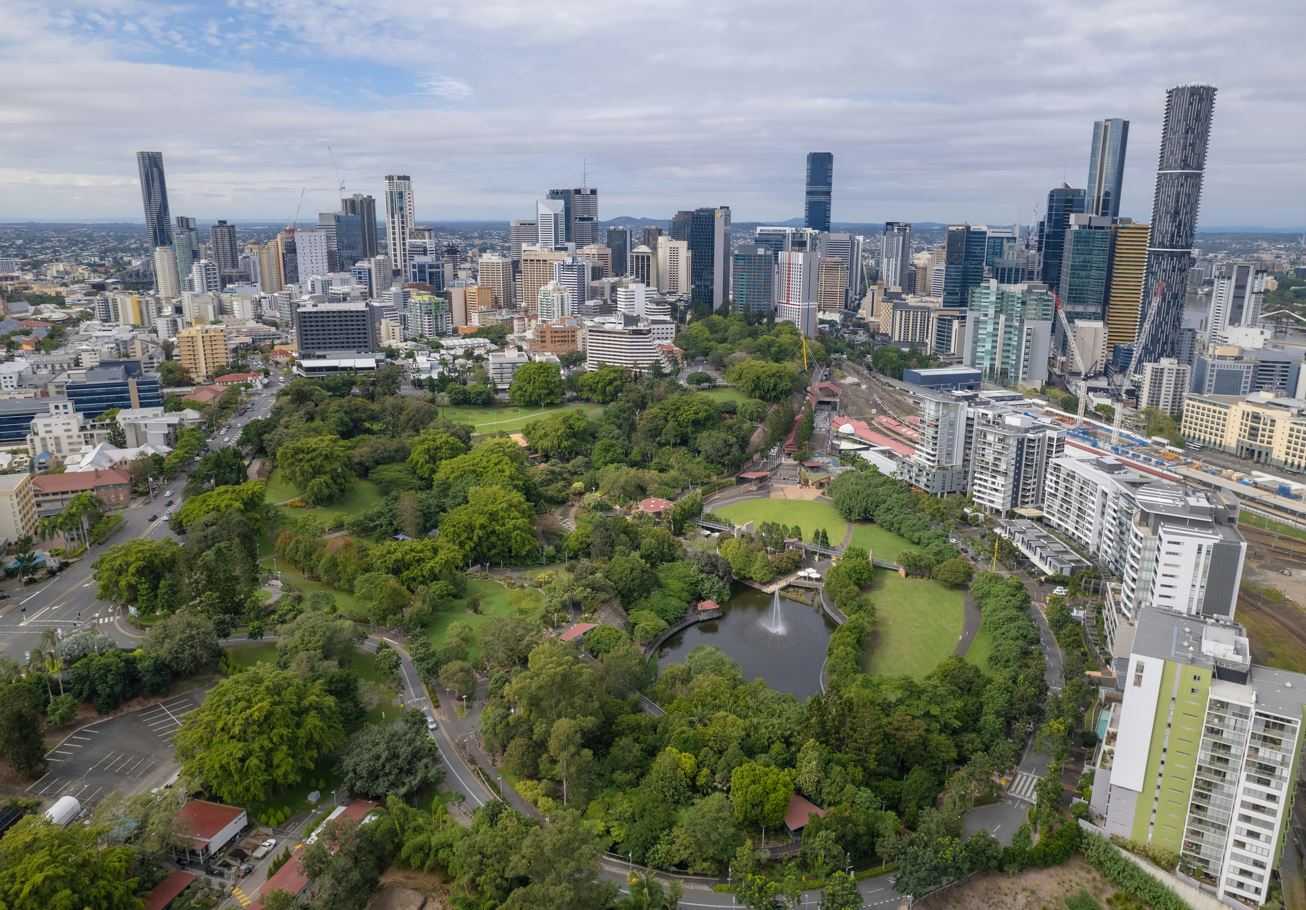
Climate-ready housing involves designing and upgrading homes to withstand climate hazards — including heatwaves, flooding, bushfires and storm events — through resilient construction, passive design and performance upgrades. Peer-reviewed and government research shows both quantifiable benefits and systemic cost savings when homes are made climate-ready, especially at scale.
BENEFITS FOR LOCAL GOVERNMENTS
1. Reduced Infrastructure Stress
Climate-ready homes put less strain on council systems such as stormwater management, public health services, and emergency response. For example:
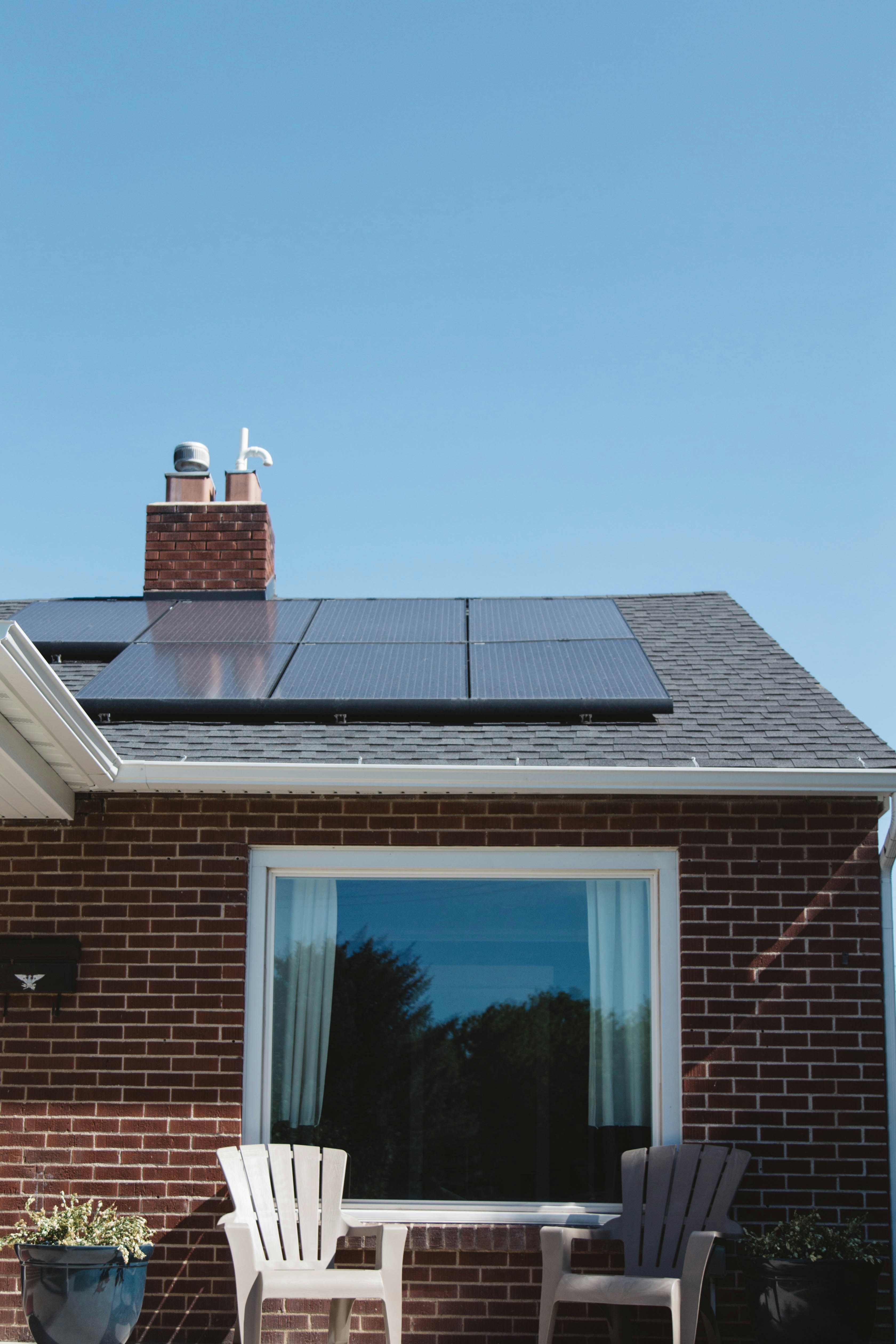
- Retrofitting and resilient design can reduce reliance on costly reactive repairs after heavy rainfall or flooding events — a growing issue as extreme weather intensifies under climate change.
- Efficient, well-sealed and thermally performing homes reduce peak energy demand during heatwaves, lowering pressure on electrical infrastructure and cooling refuges.
2. Reduced Council Response and Repair Costs
Homes built or retrofitted to climate-ready specifications are less vulnerable to damage, which can translate to fewer council-funded clean-ups, emergency services deployments and reinstatement of public assets after disasters.
- Investing in resilience yields high return: modelling suggests local government adaptation actions can deliver $0.80–$3.10 in benefits for every $1 invested, including avoided costs from disasters and ongoing infrastructure damage.
- Councils involved in climate adaptation — such as floodplain planning or urban greening — drive avoided costs and improved community resilience.
3. Improved Public Health and Liveability
Heat-resilient homes reduce heat stress and health risks in extreme heat, cutting reliance on council-run cooling centres and associated public health interventions.
- Research into social housing heat resilience shows co-benefits of climate-ready dwellings include greater comfort and reduced health burdens in vulnerable populations.
- Climate-responsive home design supports councils’ public health strategies under rising urban heat conditions.
4. Long-Term Financial and Social Value
- Councils that prioritise climate-ready housing as part of planning and development frameworks help protect property values and reduce the risk of climate-driven insurance losses.
- Economic studies in South Australia found that over a 50-year period, climate retrofits of existing homes yield net present value gains (e.g. >$72 million) from avoided damage and adaptation costs.
COSTS AND RESOURCE DEMANDS FOR COUNCILS
1. Upfront Investment and Regulation
Implementing climate-ready standards may require councils to invest in:
- Updated planning controls and assessment
- Enhanced climate risk mapping and hazard data to guide housing siting and design
- Community education and compliance monitoring
However, these upfront investment costs are often offset over time by reduced disaster response and infrastructure replacement costs.
2. Coordination with Other Agencies
Climate-ready housing requires councils to work collaboratively with state and federal bodies on resilient building standards and adaptation frameworks, potentially increasing administrative load.
STRATEGIC IMPORTANCE FOR LGAS
Mitigating Financial Exposure
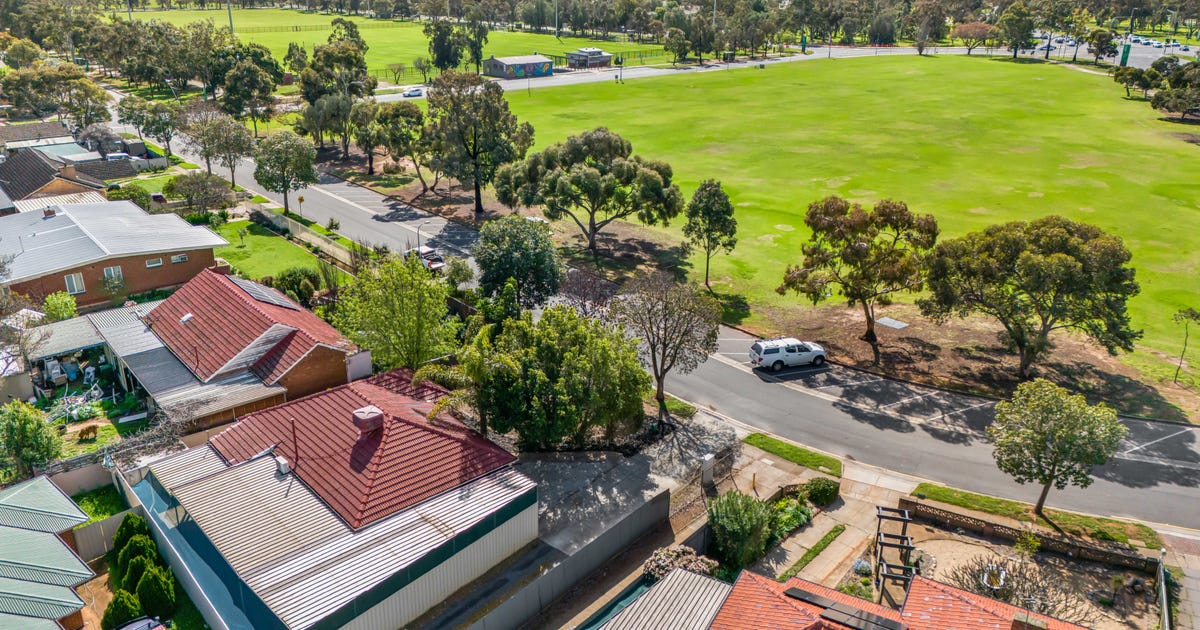
Australian councils are already reporting rising costs associated with climate impacts (e.g. flooding, urban heat) and face pressure to integrate climate risk into governance and reporting. Mandatory climate risk reporting underscores that climate change is not a future issue — it is a financial risk affecting infrastructure, insurance and service delivery now.
Supporting National and Regional Policy
Aligning housing standards with climate risk supports broader adaptation frameworks like the National Adaptation Plan and state strategies targeting heat vulnerability, coastal risk and water management.
Enhancing Community Resilience
Climate-ready housing contributes to safer, more liveable communities — reducing emergency responses, hospitalisations during heatwaves, and cost burdens on families and councils alike.

CONCLUSION: A NET POSITIVE INVESTMENT
While there are implementation costs for councils in planning, monitoring and community engagement, the long-term benefits of widespread climate-ready housing adoption are significant — including reduced pressure on stormwater systems, decreased damage from extreme events, lower public health costs, and stronger fiscal resilience. Climate-ready homes help councils shift from reactive spending to proactive climate adaptation, aligning local planning with national climate objectives.
References
Australian Housing Council (AHC) 2023, Where we build, what we build: Climate resilience and housing outcomes, Government of South Australia, https://www.ahc.sa.gov.au/council/sustainability-actions/where-we-build-what-we-build.
Australian Housing Council (AHC) 2023, Where We Build, What We Build – Project overview factsheet, Government of South Australia, https://www.ahc.sa.gov.au/assets/downloads/development/sustainability/WWBWWB_Factsheet_Project-overview.pdf.
Australian Local Government Association (ALGA) 2025, Adapting Together: Climate Adaptation for Australian Local Government, ALGA,Canberra, https://alga.com.au/wp-content/uploads/2025/06/ALGA-Adapting-Together-Report-2025.pdf.
Australian Local Government Association (ALGA) 2024, Climate change policy and adaptation resources, ALGA, Canberra, https://alga.com.au/policy/climate-change/.
CSIRO 2023, Are Australian homes climate-ready?, Commonwealth Scientific and Industrial Research Organisation, https://www.csiro.au/en/news/all/articles/2023/december/australian-homes-climate-ready.
NSW Department of Planning, Housing and Infrastructure 2023, Urban heat and resilience, NSW Government, https://www.planning.nsw.gov.au/policy-and-legislation/resilience-and-natural-hazard-risk/urban-heat.
Western Sydney University Institute for Culture and Society2022, Living with urban heat: Becoming climate ready in social housing,Western Sydney University, https://www.westernsydney.edu.au/ics/projects/living-with-urban-heat-becoming-climate-ready-in-social-housing.
Western Sydney Regional Organisation of Councils (WSROC)2024, WSROC welcomes federal commitment to beat killer heat, WSROC, https://westernsydneycouncils.com.au/media-a-resources/releases/wsroc-welcomes-federal-commitment-to-beat-killer-heat.
Your Home (Australian Government) 2023, Adapting to climate change, Department of Climate Change, Energy, the Environment and Water, https://www.yourhome.gov.au/live-adapt/adapting-climate-change.


